WIC West Virginia logo
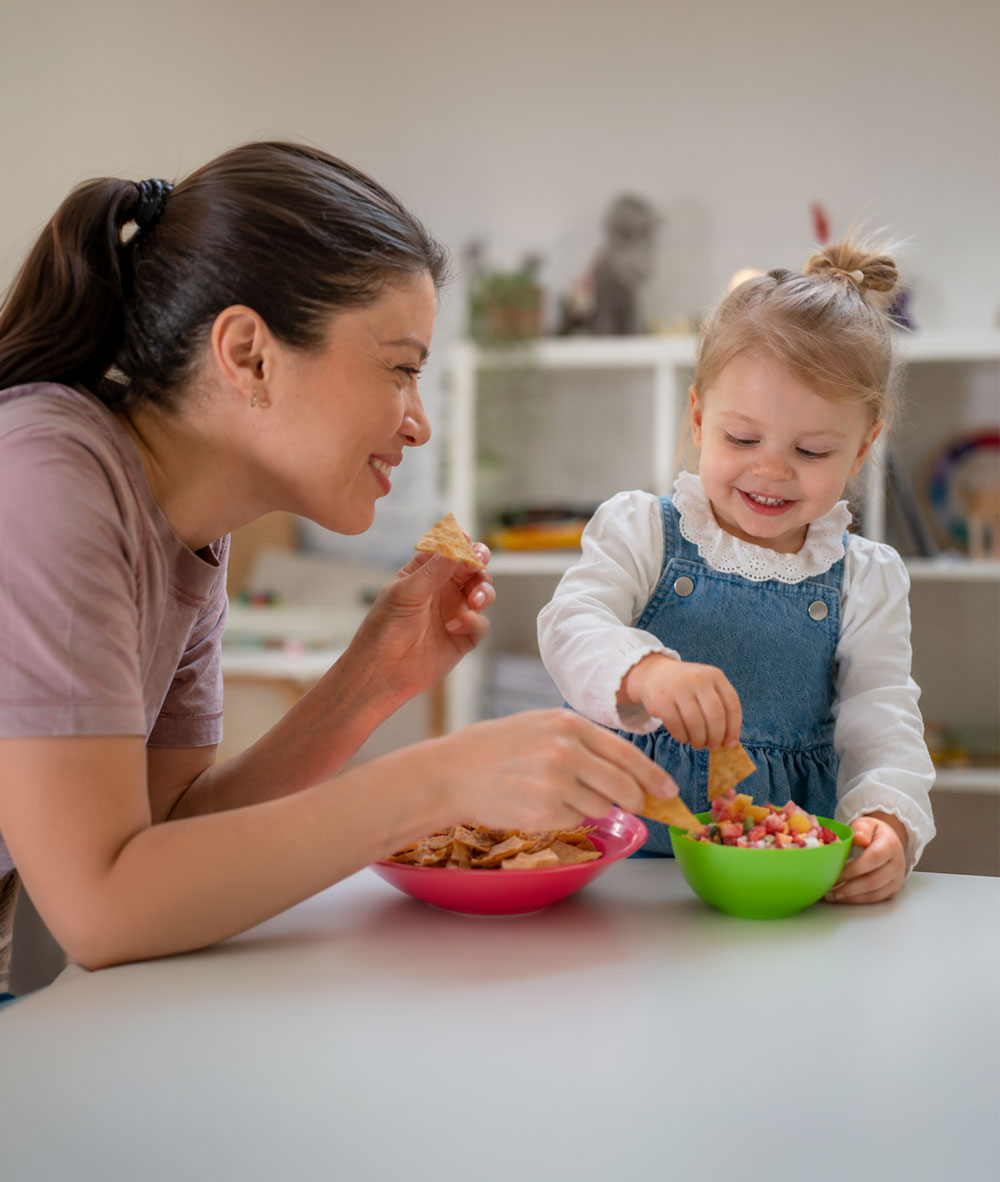
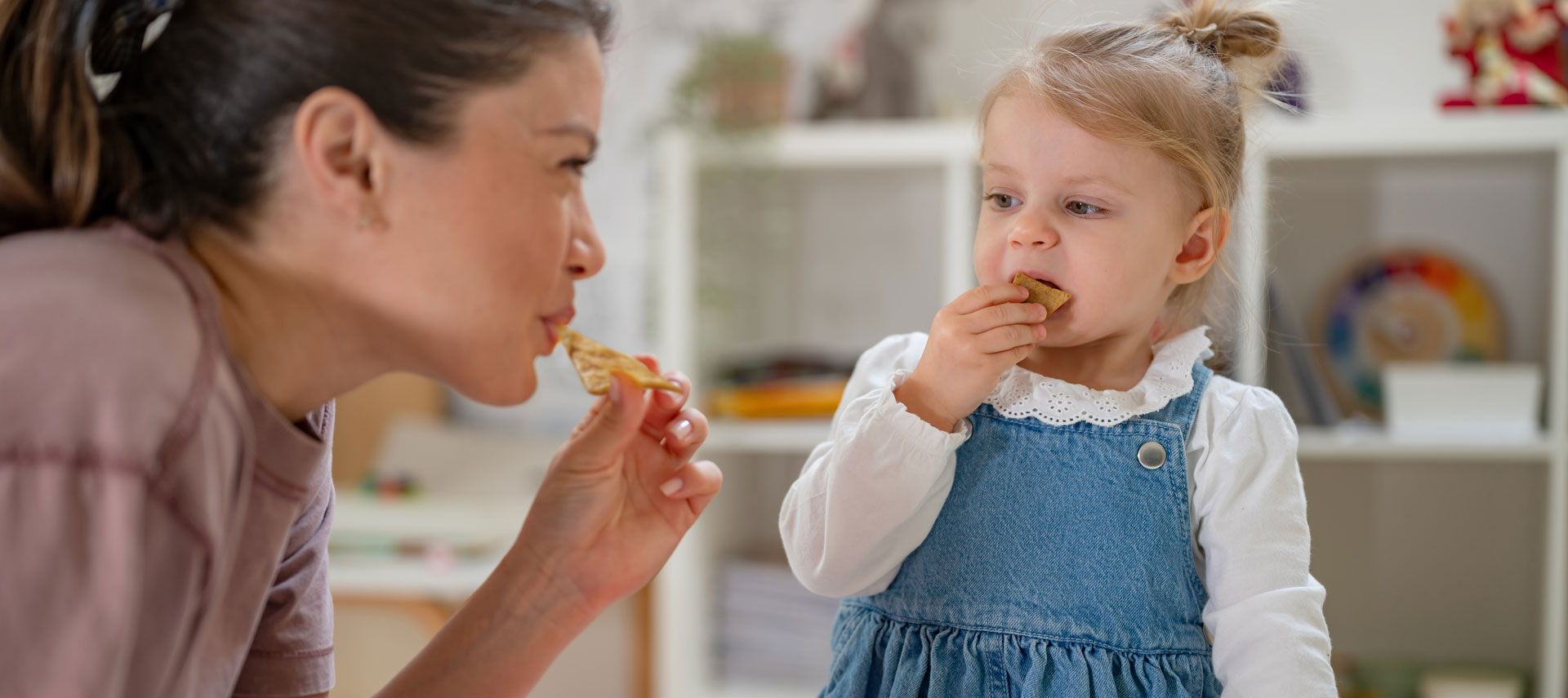
Mother and daughter eating chips together

Rainbow Fruit Salsa with Cinnamon Chips | Healthy Family Snack Recipe
  • Home
  • Live Well Blog
  • Rainbow Fruit Salsa with Cinnamon Chips | Healthy Family Snack Recipe
August 5, 2026 Recipes

dish pattern Rainbow Fruit Salsa with Cinnamon Chips

Not a fan of traditional tomato salsa?

Give this sweet and colorful fruit version a try! Rainbow Fruit Salsa is packed with vitamin C, vitamin A, and fiber. It makes a fun snack, side dish, or healthy dessert.

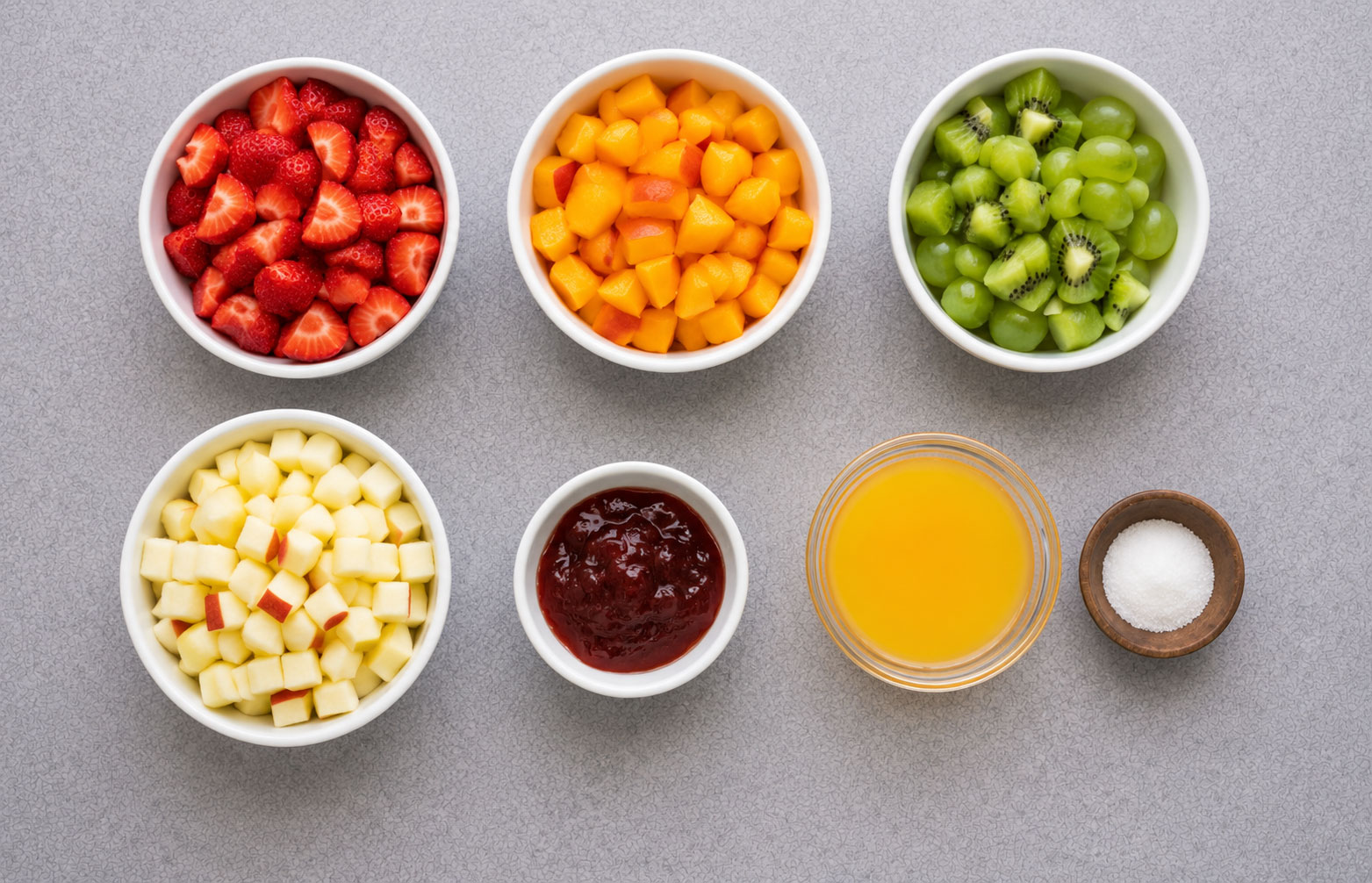
Bowls of chopped fruit and juice arranged neatly

Ingredients Fruit Salad Ingredients

Tip!

You can substitute other fruits if you don’t have these!

notebook icon Fruit Salad Directions

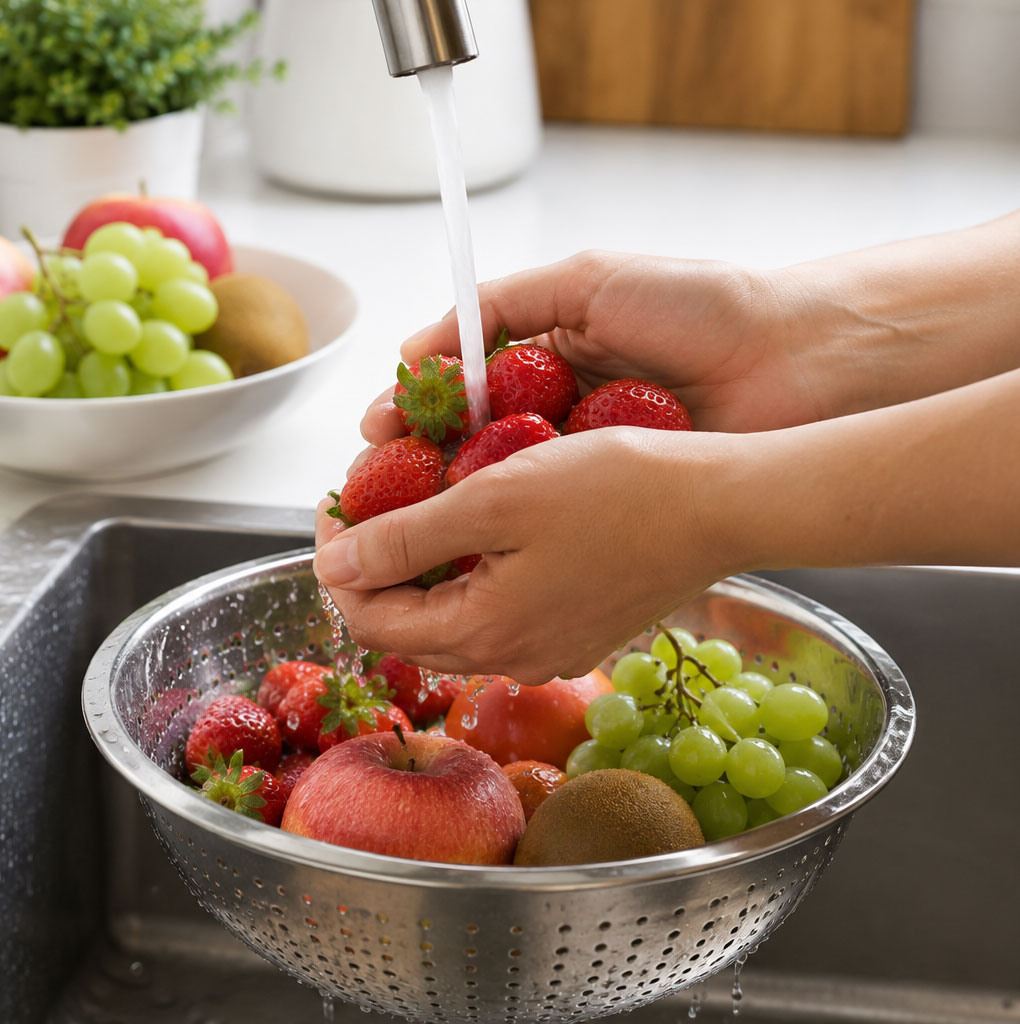
Rinsing strawberries in colander under running faucet
1.

Wash and peel fresh fruit.

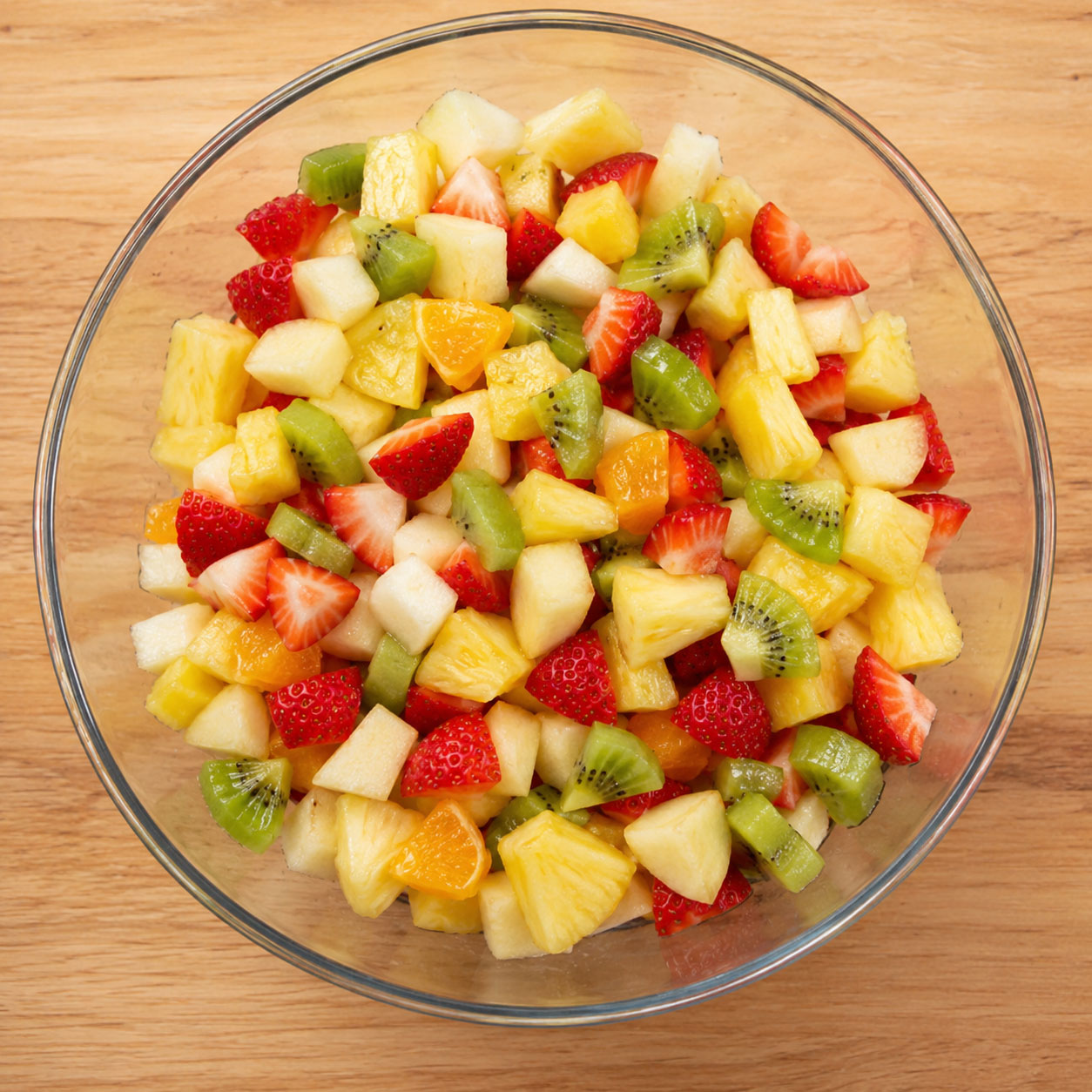
Chopped mixed fruit in glass bowl on wooden table
2.

Finely chop the fruit and place it in a large bowl. For a smoother texture, pulse the fruit a few times in a food processor until it looks like salsa.
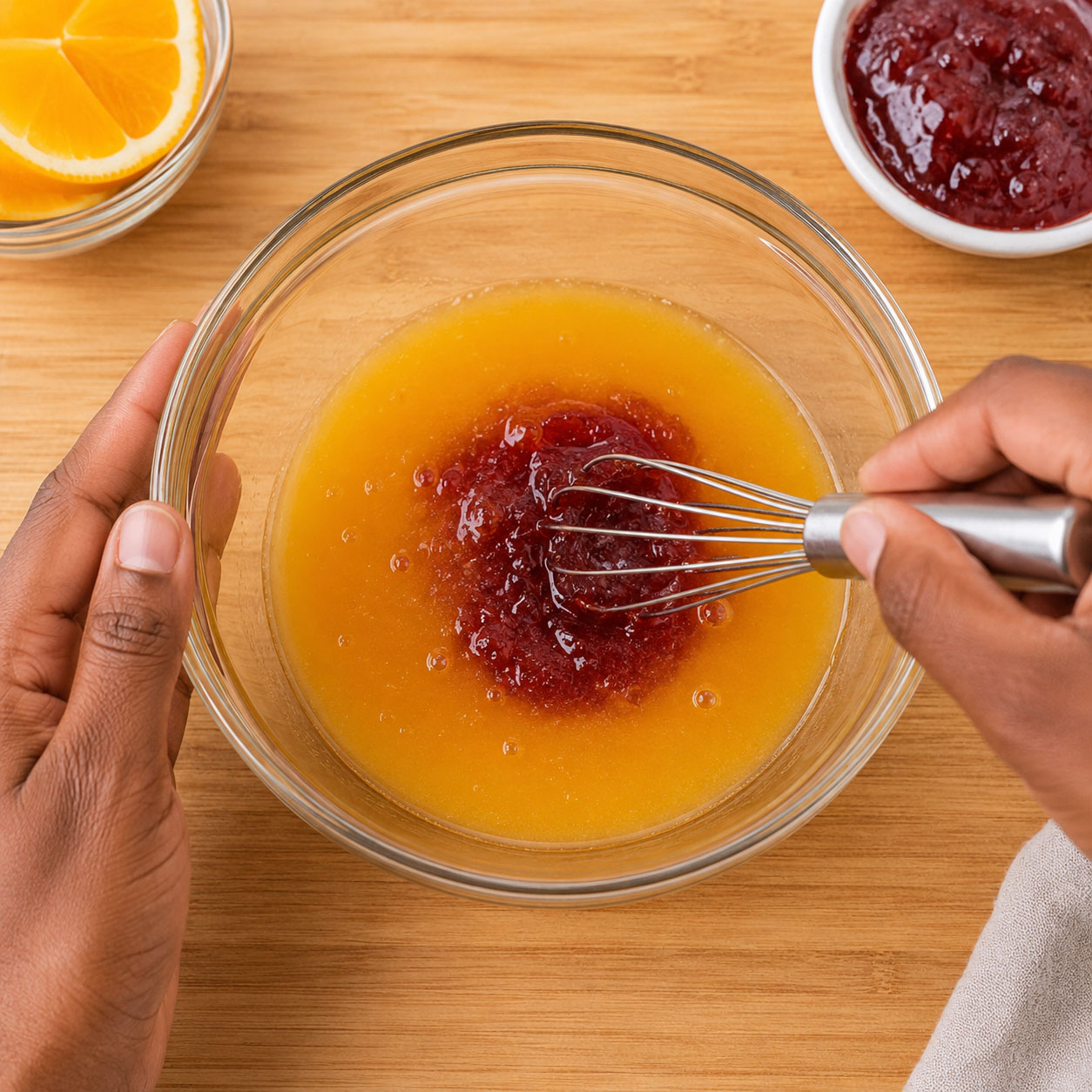
Whisk mixing fruit preserves into orange juice
3.

In a small bowl, stir together the jam and orange juice.
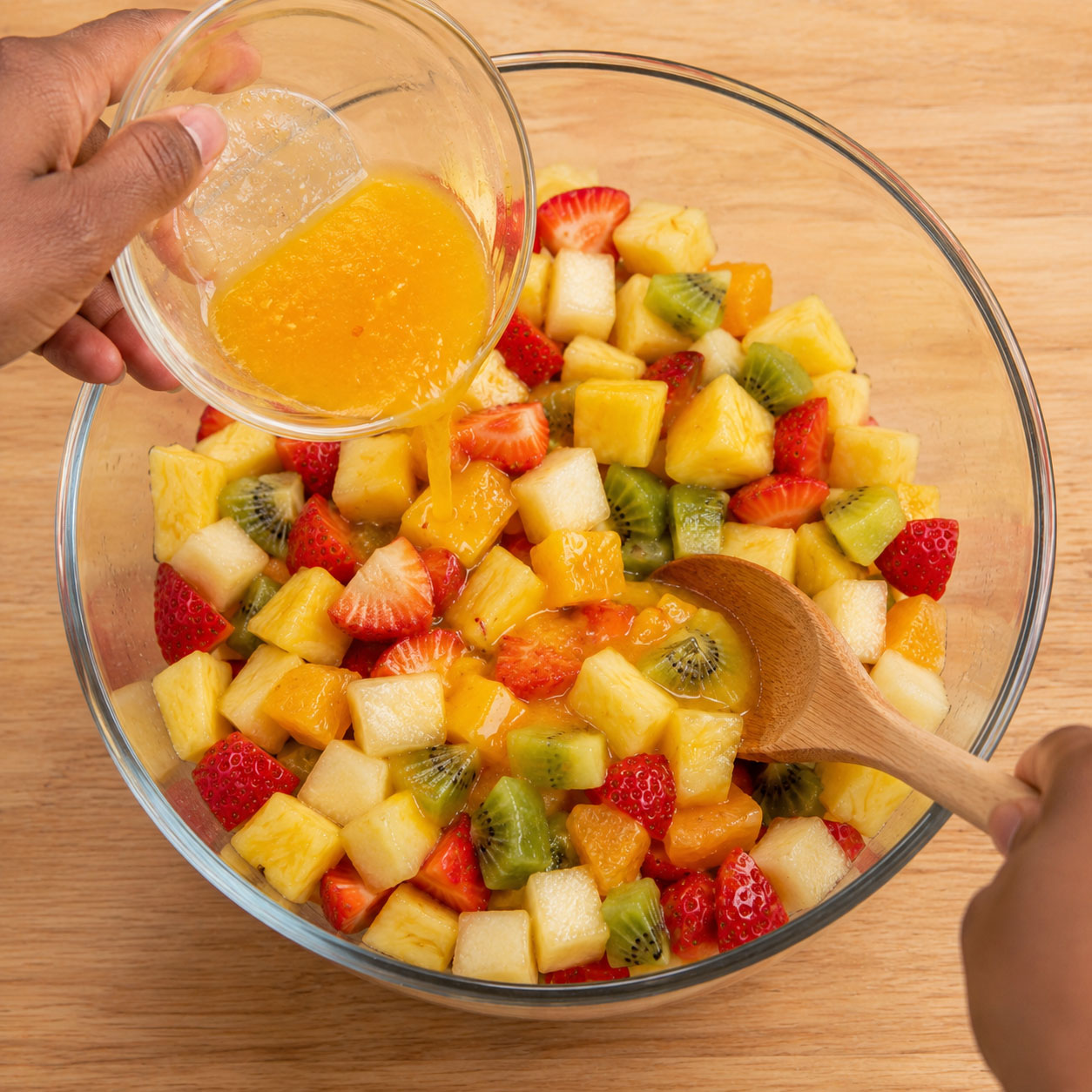
Pouring orange glaze over mixed fruit salad
4.

Pour the jam mixture over the fruit and mix well.

Hand sprinkling sugar onto mixed fruit salad bowl
5.

Add a small amount of sugar if needed.
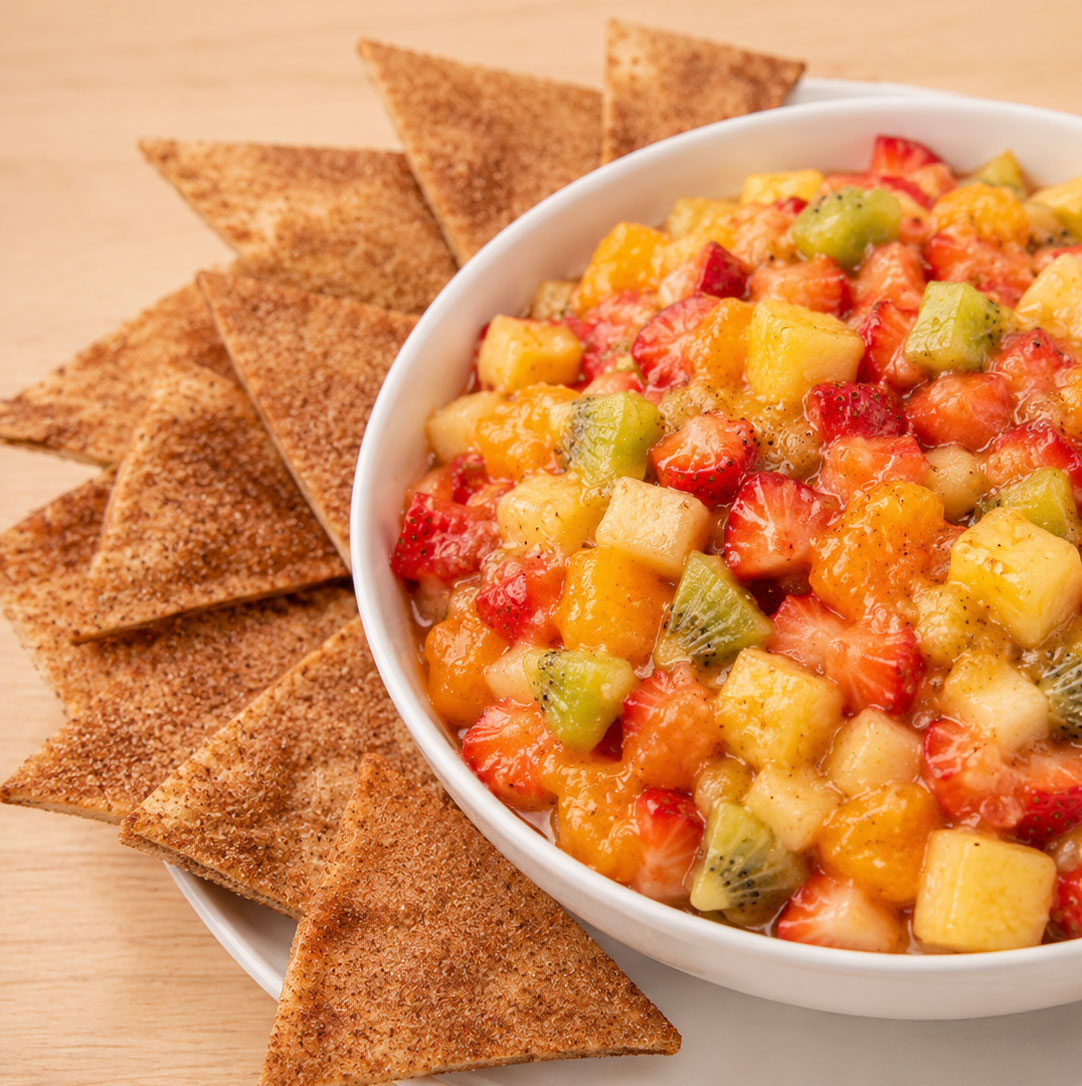
Colorful fruit salad with crispy cinnamon tortilla chips
6.

Serve with Cinnamon Tortilla Chips.

stacked rounded rectangles Cinnamon Tortilla Chips

Ingredients

Directions

question Why Choose Whole Grains

The Dietary Guidelines for Americans recommend making at least half of the grains you eat whole grains.

What is a Whole Grain?
A whole grain contains all three parts of the grain:
Whole grain pattern, tileable vegetable-like motif

Refined grains usually contain only the endosperm. This removes much of the fiber and many important nutrients.

Did you know?
Common whole-grain foods include:
Slices of whole-grain bread on white background
Whole wheat bread
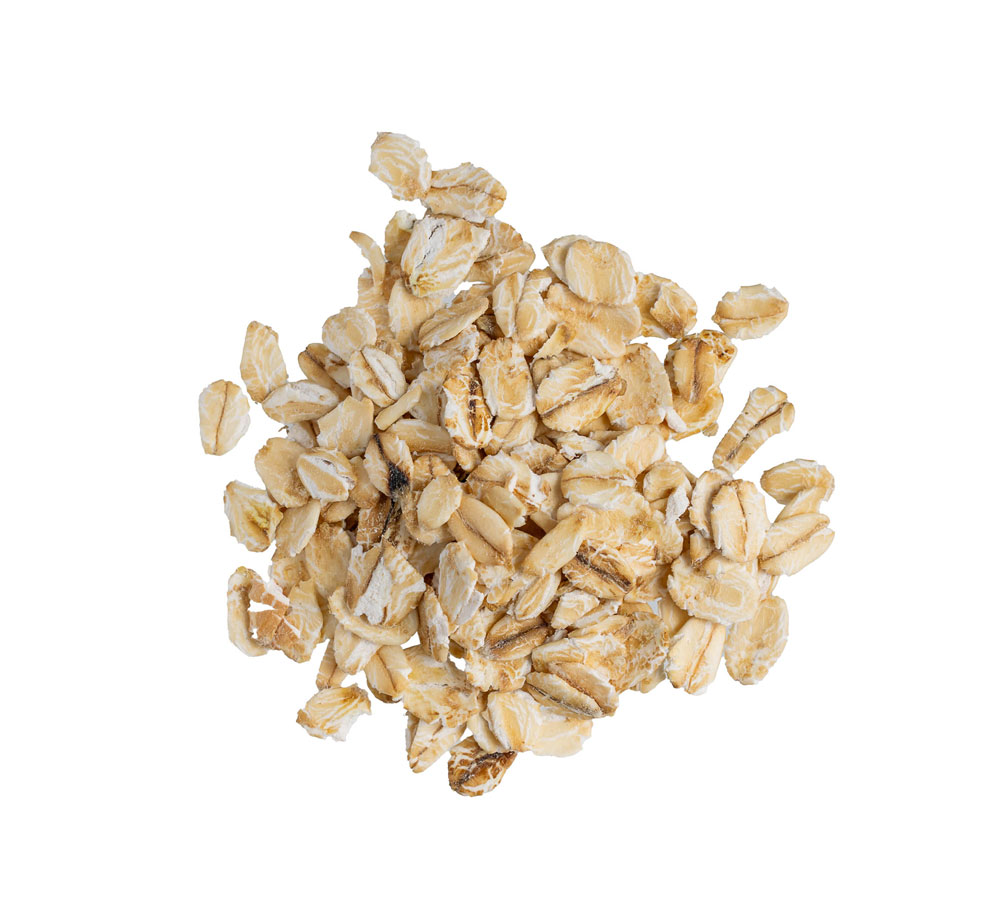
Rolled oats piled in a small heap
Oatmeal
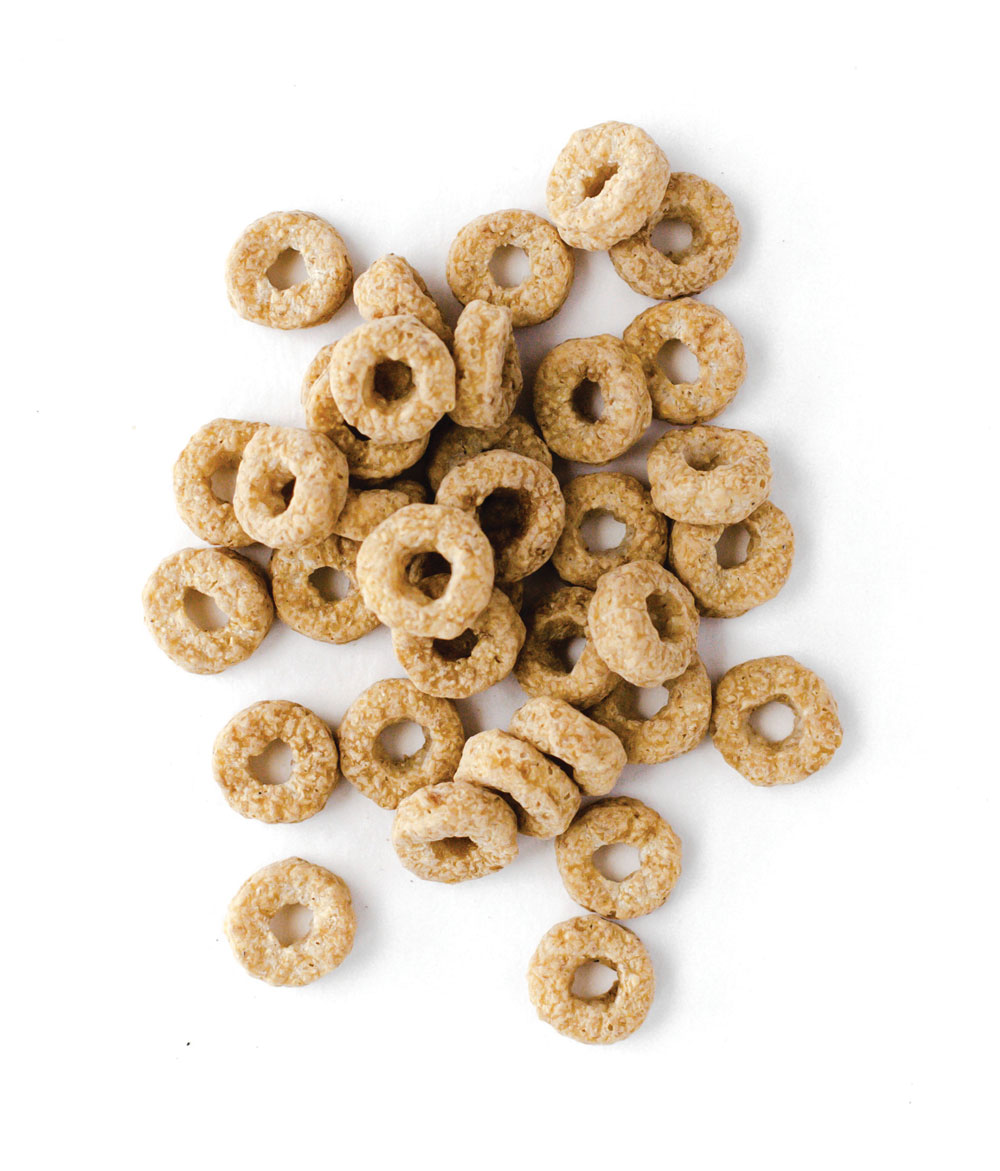
Oat ring cereal scattered on white background
Whole-grain cereal
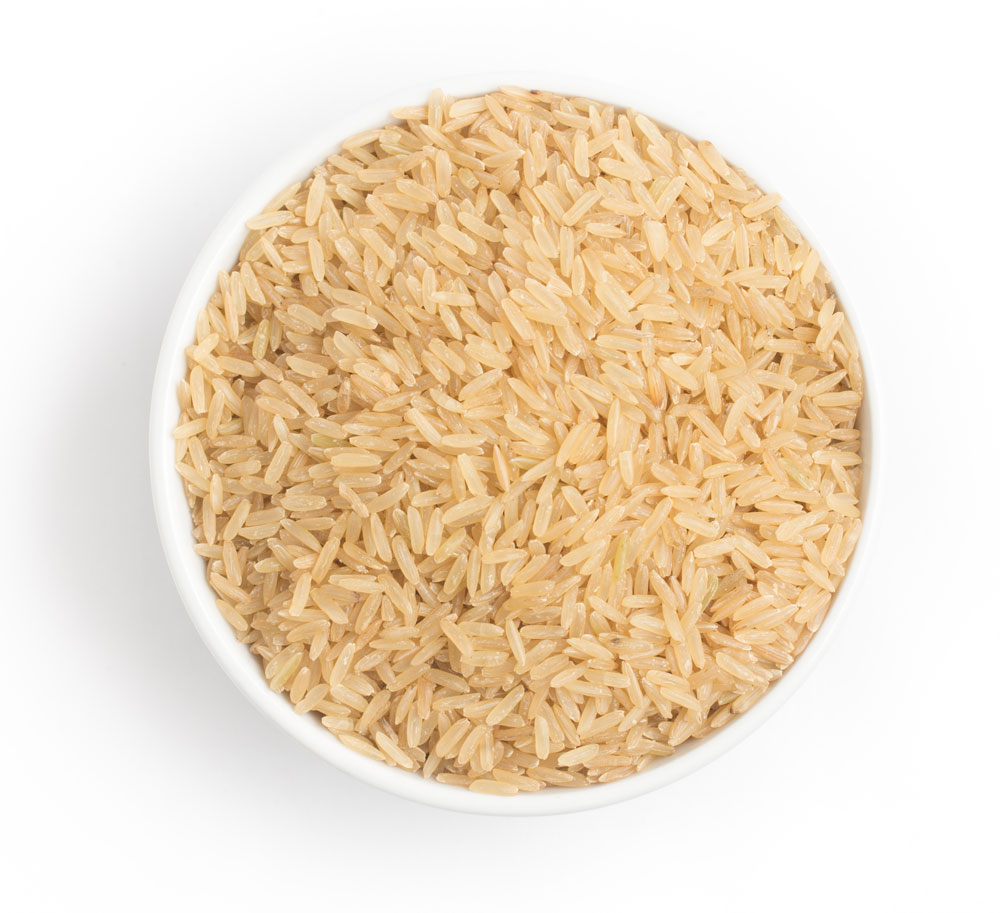
White bowl filled with raw brown rice
Brown rice
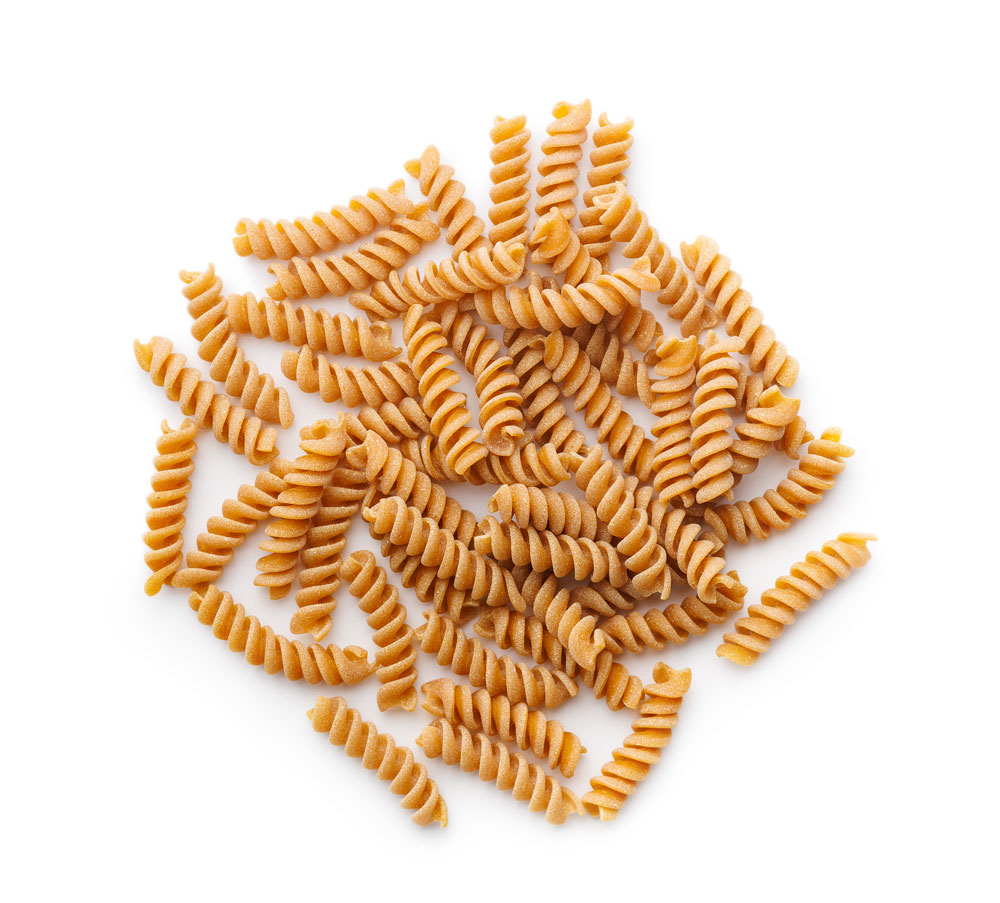
Whole wheat fusilli pasta piled on white background
Whole wheat pasta
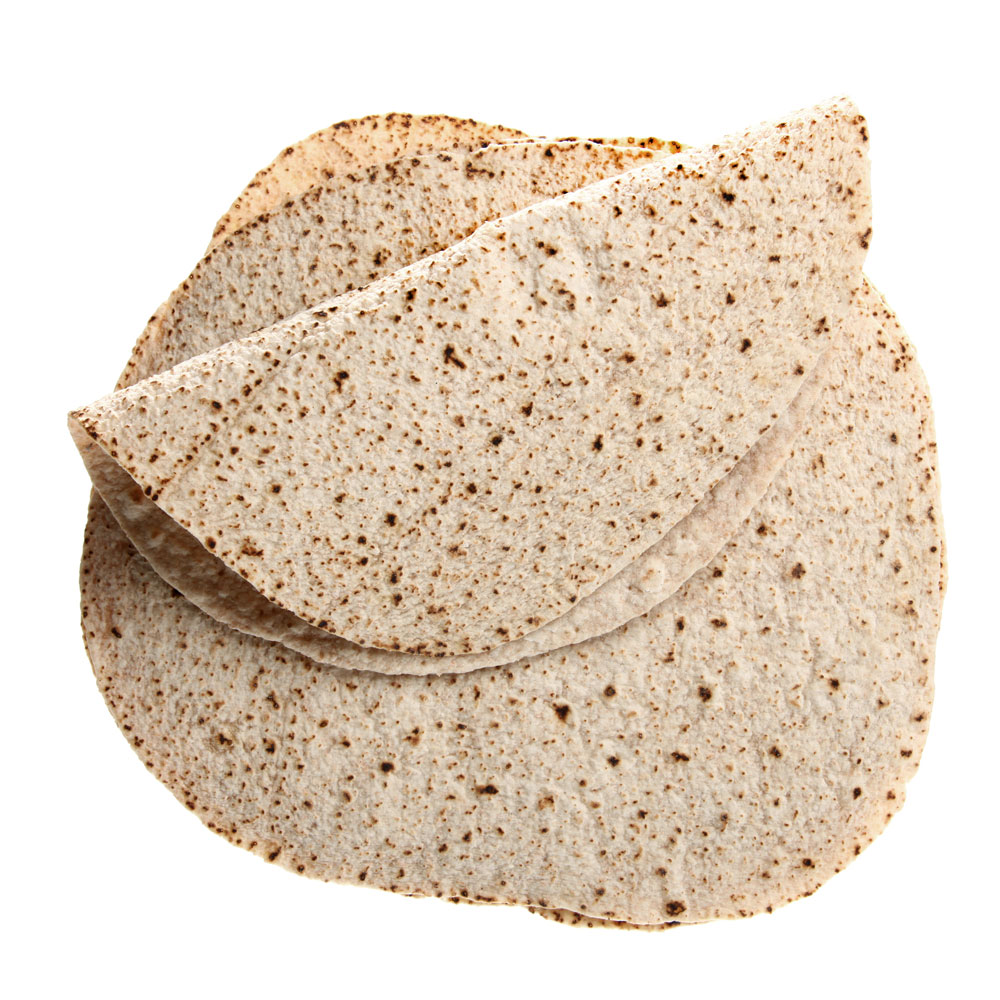
Stack of whole wheat tortillas overlapping each other
Whole wheat tortillas
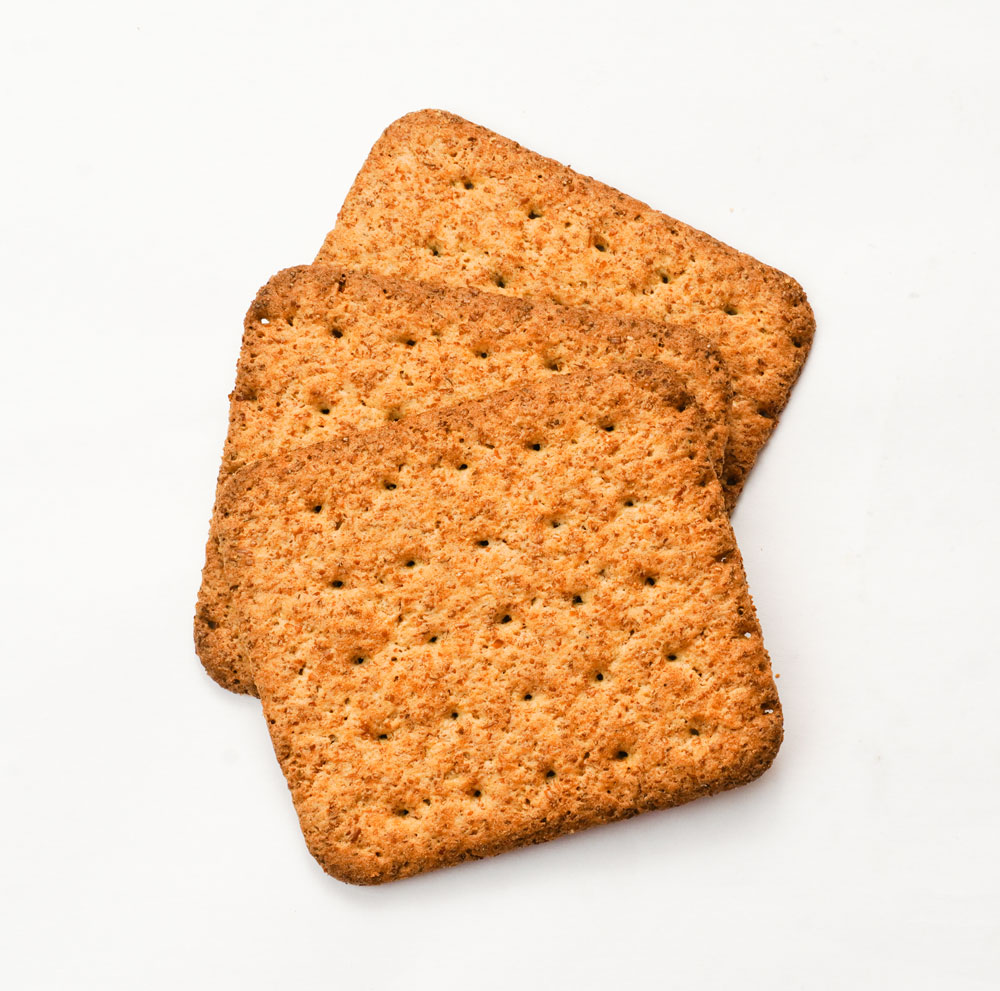
Two whole wheat crackers overlapping slightly
Whole-grain crackers
Many WIC-approved foods are whole grains, making it easier to include them in your meals and snacks.

Decorative abstract shape How Can Whole Grains Help?

Eating whole grains as part of a healthy diet may help:

Try choosing whole-grain foods more often to help your family get the fiber and nutrients they need!

Remember!
Mother and toddler sharing chips and fruit salsa

REFERENCES:

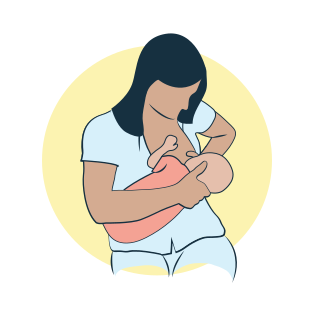
Side-Lying Hold

  1. For the right breast, lie on your right side with your baby facing you.
  2. Pull your baby close. Your baby’s mouth should be level with your nipple.
  3. In this position, you can cradle your baby’s back with your left arm and support yourself with your right arm and/or pillows.
  4. Keep loose clothing and bedding away from your baby.
  5. Reverse for the left breast.

This hold is useful when:

Cross-Cradle Hold

  1. For the right breast, use your left arm to hold your baby’s head at your right breast and baby’s body toward your left side. A pillow across your lap can help support your left arm.
  2. Gently place your left hand behind your baby’s ears and neck, with your thumb and index finger behind each ear and your palm between baby’s shoulder blades. Turn your baby’s body toward yours so your tummies are touching.
  3. Hold your breast as if you are squeezing a sandwich. To protect your back, avoid leaning down to your baby. Instead, bring your baby to you.
  4. As your baby’s mouth opens, push gently with your left palm on baby’s head to help them latch on. Make sure you keep your fingers out of the way.
  5. Reverse for the left breast.

This hold is useful when:

A green circle encloses a stylized shoe and footprint design, symbolizing forward movement and progress.

Clutch or “Football” Hold

  1. For the right breast, hold your baby level, facing up, at your right side.
  2. Put your baby’s head near your right nipple and support their back and legs under your right arm.
  3. Hold the base of your baby’s head with your right palm. A pillow underneath your right arm can help support your baby’s weight.
  4. To protect your back, avoid leaning down to your baby. Bring baby to you instead.
  5. Reverse for the left breast.

This hold is useful when:

Cradle Hold

  1. For the right breast, cradle your baby with your right arm. Your baby will be on their left side across your lap, facing you at nipple level.
  2. Your baby’s head will rest on your right forearm with your baby’s back along your inner arm and palm.
  3. Turn your baby’s tummy toward your tummy. Your left hand is free to support your breast, if needed. Pillows can help support your arm and elbow.
  4. To protect your back, avoid leaning down to your baby. Instead, bring your baby to you.
  5. Reverse for the left breast.

This hold is useful when:

Laid-Back Hold

  1. Lean back on a pillow with your baby’s tummy touching yours and their head at breast level. Some moms find that sitting up nearly straight works well. Others prefer to lean back and lie almost flat.
  2. You can place your baby’s cheek near your breast, or you may want to use one hand to hold your breast near your baby. It’s up to you and what you think feels best.
  3. Your baby will naturally find your nipple, latch, and begin to suckle.

This hold is useful when: